
A well-organized battle belt setup becomes far more effective when paired with the right individual first aid kit. The ideal IFAK should support quick access, efficient movement, and reliable medical readiness during demanding situations. Selecting the proper configuration helps improve response time and keeps essential supplies within reach when every second matters.
Prioritize Accessibility
Fast access is one of the most important belt ifak features of an effective IFAK setup. The pouch should be positioned where it can be reached comfortably with either hand.
Consider these placement tips:
- Mount the kit toward the rear side of the belt for balance
- Avoid blocking magazine pouches or utility gear
- Test accessibility while standing, kneeling, and seated
- Choose a setup that allows rapid opening under stress
- Keep emergency tools visible and organized
An accessible design increases confidence and improves overall efficiency during emergency response situations.
Focus On Compact Design
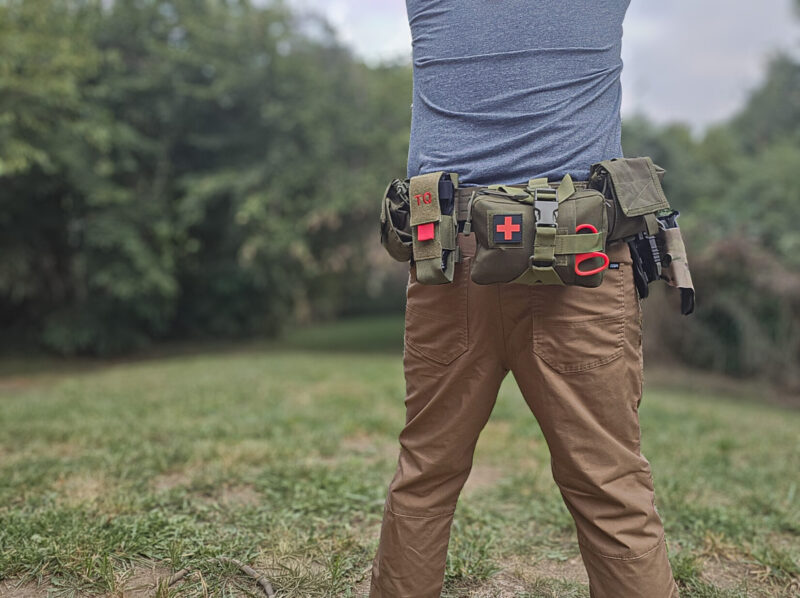
A battle belt should remain lightweight and comfortable. Bulky medical gear can reduce mobility and create unnecessary strain during extended wear.
Look for these compact features:
- Slim pouch profile
- Secure retention straps
- Lightweight construction
- Minimal excess material
- Flexible mounting compatibility
A low-profile kit allows smoother movement while maintaining essential medical preparedness.
Select Essential Medical Supplies
An effective IFAK should contain practical items that support immediate trauma care. Keeping only mission-critical supplies prevents clutter and improves organization.
Important supplies may include:
- Tourniquet
- Pressure bandage
- Compressed gauze
- Chest seals
- Medical gloves
- Trauma shears
- Marker for documentation
Well-arranged contents make it easier to locate items quickly during high-pressure moments.
Consider Durability and Retention
Battle belt equipment often faces rough handling, outdoor exposure, and repeated movement. A durable IFAK helps ensure medical supplies remain protected and secure.
Helpful durability features include:
- Reinforced stitching
- Water-resistant material
- Strong zipper or pull-tab system
- Reliable attachment points
- Abrasion-resistant fabric
Strong retention prevents accidental gear loss while maintaining dependable access to critical supplies.
Evaluate Mounting Compatibility
Different belt setups require different mounting methods. A properly secured pouch prevents shifting and keeps the load balanced throughout movement.
Key mounting considerations:
- Stable attachment system
- Compatibility with modular belt platforms
- Minimal pouch movement during running or climbing
- Easy removal if needed
- Balanced weight distribution
A secure fit improves comfort and keeps the medical kit consistently positioned.
Train with Your Setup
Even the best IFAK configuration becomes less effective without practice. Familiarity with pouch placement and item arrangement improves reaction speed and confidence.
Training recommendations include:
- Practice opening the pouch with both hands
- Repack supplies consistently after drills
- Test the setup while wearing gloves
- Perform movement exercises with the full belt
- Review contents regularly for readiness
Consistent practice helps create smoother and more efficient emergency response habits.
Balance Comfort and Preparedness
The right IFAK should support both mobility and medical readiness without overloading the belt. A carefully balanced setup allows better endurance, quicker movement, and improved operational comfort.
When choosing your configuration, focus on:
- Easy access
- Lightweight construction
- Essential medical tools
- Secure mounting
- Reliable durability
A thoughtfully arranged IFAK can become one of the most valuable components of a battle belt system, helping maintain readiness, confidence, and practical emergency support in demanding environments.