
If you only clean your roof when it looks “gross,” you’re already late.
Not because you’re a bad homeowner, because Port Coquitlam’s climate is basically a moss incubator with scenic mountains.
Roof cleaning here isn’t just about appearance. Timing changes everything: how well treatments work, how safe it is to walk the roof, and whether you’re paying once… or paying again after the next wet stretch.
So… when’s the sweet spot?
Spring and fall. Most years, that’s the honest answer.
But you don’t book “spring” like it’s a haircut. You book the right three to five days inside spring, mild temps, low wind, and a forecast that isn’t pretending it won’t rain.
One-line truth:
You’re not scheduling a cleaning. You’re learning how to schedule roof cleaning at the right time, around a weather window.
Port Coquitlam weather: the part people underestimate
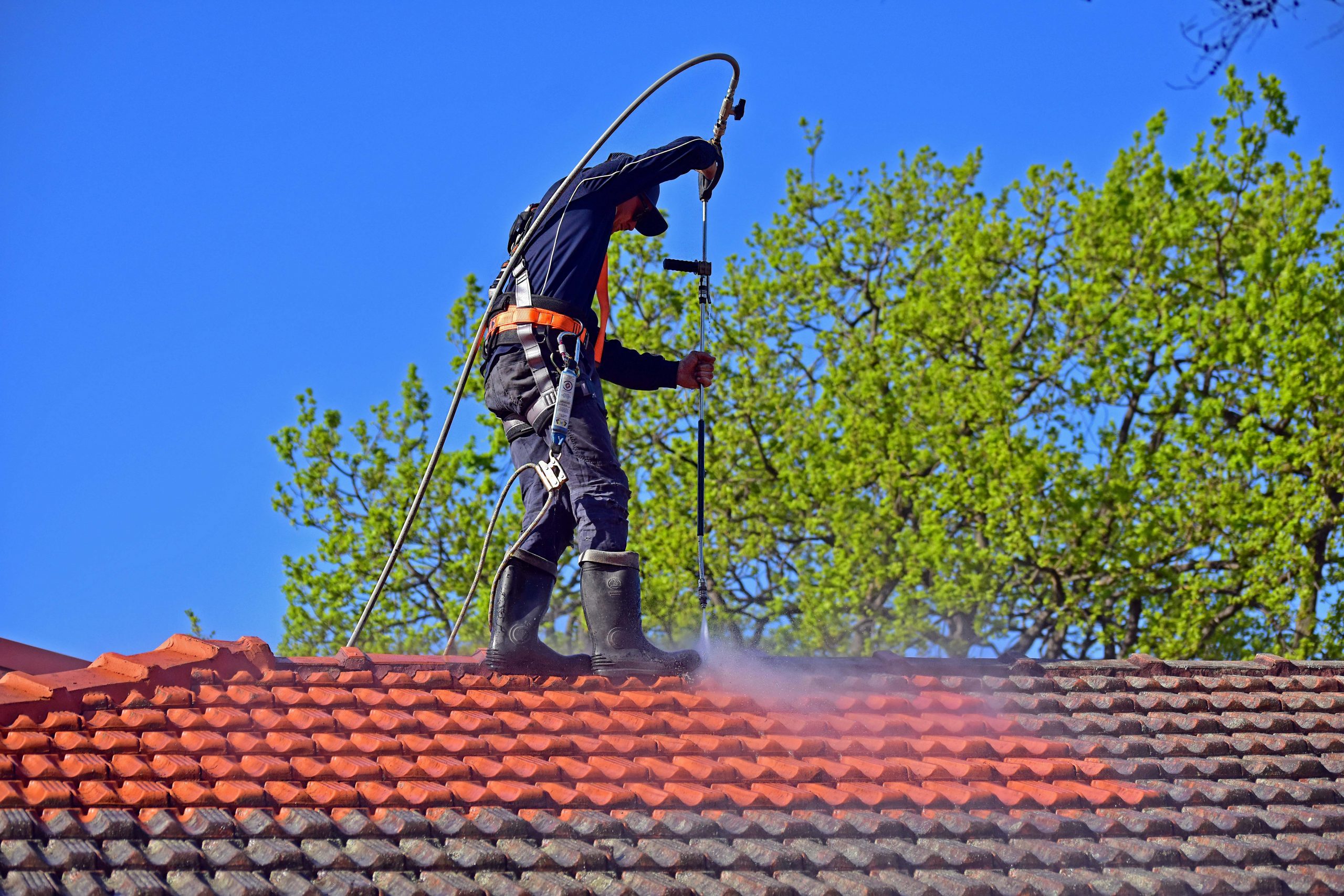
Here’s the thing: Port Coquitlam doesn’t behave like a single, predictable climate zone. You can get a calm, dry day in the city core and a damp, lingering fog situation a few blocks closer to the hills (microclimates are real, and they’re annoying).
If you want one concrete stat to anchor your expectations: Metro Vancouver averages ~1,200 mm of precipitation annually depending on the station and year, with the wettest months typically in late fall and winter. Source: Environment and Climate Change Canada (Canadian Climate Normals).
More rain means two things for roof cleaning:
- Growth comes back faster (especially moss on shaded slopes).
- Your “dry day” can still be a wet roof if humidity stays high and dew hangs around.
The best windows (and why they work)
Spring: the “reset button” season
Spring is popular because winter leaves behind a mess, organic debris, clogged gutters, black streaks, that green fuzz creeping under the shingle tabs.
Technically speaking, spring often gives you:
– Moderate surface temperatures (cleaners don’t flash-dry instantly)
– More daylight (crews can work safely without rushing)
– A chance to treat moss before summer bakes it in
Now, this won’t apply to everyone, but… if your roof is heavily shaded by conifers, early-to-mid spring is when you’ll see the moss clearly and can deal with it before it thickens.
Fall: my pick for “best results per dollar”
In my experience, fall cleaning, done before the heavy rains fully settle in, tends to stick longer. You clear the roof, open up drainage, and reduce the wet organic layer that sits there all winter feeding growth.
Also, fall is when gutters fail quietly. People don’t notice until the first big storm, then suddenly you’ve got overflow, fascia staining, maybe water pushing behind flashing.
Fall is proactive. Spring is corrective.
Summer: can you do it? Sure. Should you? Sometimes.
Summer looks perfect on the calendar. Blue skies, long days. Then the roof surface hits high temperatures and cleaning chemistry starts misbehaving.
Hot shingles + strong sun can cause:
– Solutions drying too fast (streaking, uneven dwell time)
– Increased risk of scuffing or granule loss if someone gets aggressive
– More overspray drift when afternoon breezes kick up
If you’re cleaning in summer, I usually prefer late morning or early evening timing. Midday can be brutal on darker shingles.
Winter: usually a no… with rare exceptions
Most winter roof cleaning in Port Coquitlam is a bad plan. Slick surfaces, low sun angle, slow drying, and the ever-present “surprise frost” risk.
Could you catch a mild, dry stretch? Yes.
Would I schedule standard cleaning around it? Not unless you’ve got a very specific reason (real estate listing, storm debris cleanup, or a safety issue).
What actually counts as a “good day” for roof cleaning?
You don’t need perfection. You need predictability.
A genuinely workable day tends to look like this:
– Temperature roughly 4, 21°C (40, 70°F)
– Low wind (spray control + ladder safety)
– Several consecutive dry hours (not “it stopped raining 20 minutes ago”)
– Humidity that doesn’t keep the roof tacky all day
Look at hourly forecasts, not daily icons. That sunny symbol hides a lot of drizzle.
Shingle safety: timing is a material choice, not a vibe
Different roofs tolerate different scheduling mistakes.
Asphalt shingles
Asphalt is common, and forgiving, until it isn’t. High pressure is the fast track to granule loss, and once you’ve stripped granules, you’ve shortened the roof’s life. I’ve seen people “clean” a roof and basically age it five years in an afternoon.
Mild temps matter because shingles soften in heat and get brittle in cold. That’s when edges lift or tabs crack.
Tile roofs
Tile is durable but breakable. Wet tile is also slippery in a way that feels… personal. If you’re booking tile cleaning, prioritize stable dry periods and don’t rush crews onto damp surfaces.
Metal roofs
Metal cleans up nicely, but coatings scratch and dull if someone gets abrasive. Summer heat can also turn metal into a frying pan, which sounds dramatic until you’ve tried to work on it.
Sun exposure changes everything (yes, even on the same house)
South-facing slopes dry faster, heat faster, and can cause cleaners to evaporate before they do their job.
North-facing slopes stay damp longer. That’s where moss throws a party.
If you want to be oddly strategic (and it works), schedule so the crew starts on the shady side earlier, then moves as the sun rotates. That keeps dwell time consistent and reduces the temptation to “speed up” with pressure.
Moss and mold visibility: when you’ll notice it most
Late fall and early spring are when homeowners usually spot moss because:
– The roof has been wet for weeks
– Light angles make texture stand out
– Green growth pops against dark, damp shingles
That doesn’t mean that’s the only time it’s growing. It just means that’s when it becomes impossible to ignore.
Look, if you’re seeing moss from the driveway, it’s not “starting.” It’s established.
Picking your cleaning window: a practical checklist (not fussy, just effective)
I’m not going to give you a cute 10-step process about “defining goals” like we’re doing a lifestyle workshop. Here’s what actually helps:
– Check 48, 72 hours of forecast (hourly rain chance matters most)
– Avoid days with gusty winds (even moderate wind can make overspray messy)
– Confirm temps are mild enough that products won’t flash-dry
– Make sure there’s daylight for setup, cleaning, and cleanup
– Clear access: ladders, hose runs, gates unlocked (you’d be surprised)
– Protect landscaping if runoff is likely
– Bundle gutter cleaning into the same visit if you can, because clogged gutters undermine roof cleaning fast
– If you’re near trees, plan shortly after seasonal needle/leaf drop peaks, not mid-drop
One more (because it’s a common mistake): don’t schedule right before a week of rain. A lot of treatments need time to work and settle in.
My blunt recommendation for Port Coquitlam
If you want the simplest, most reliable approach:
– Book fall cleaning as your main annual service (best prevention value).
– Use spring as a corrective check-in if you’ve got heavy shade, visible moss, or overflow issues.
And if you’re trying to squeeze it into “a random dry day,” at least verify it’s a dry roof, not just a dry sky. (Dew and shade don’t care about your calendar.)