
Smart limit switch technology is evolving toward highly intelligent, efficient, and connected sensing solutions that enhance automation across industries. These devices are becoming more adaptive, reliable, and capable of delivering precise position detection in complex environments. The future development of this technology focuses on improving durability, communication capabilities, and integration with digital systems, enabling smoother operations and reduced manual intervention across industrial processes. Their role is expanding across manufacturing, logistics, and automated handling systems where precision is essential.
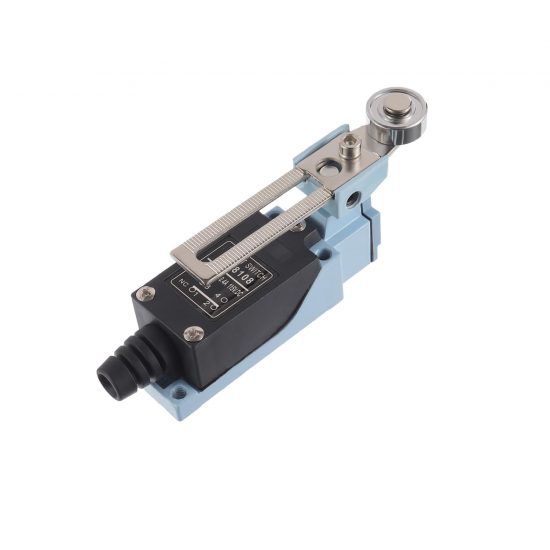
Advancing Intelligence in Sensing Mechanisms
Modern developments are pushing limit switches beyond basic mechanical sensing into intelligent components capable of self-monitoring and adaptive response. Enhanced sensing accuracy and real-time feedback are becoming central features, allowing systems to respond instantly to operational changes. This transformation supports safer workflows, improved efficiency, and reduced downtime in automated environments.
Key Future Trends in Smart Limit Switch Technology
- Miniaturization enabling compact installation in constrained industrial environments and machinery with greater flexibility
- Enhanced durability for extreme temperature, vibration, and harsh operating conditions ensuring long-term reliability
- Contactless sensing methods reducing wear and improving operational lifespan significantly across repeated cycles
- Energy-efficient designs supporting sustainable automation systems with reduced power consumption and optimized performance
- Predictive monitoring capabilities enabling early fault detection, system health tracking, and maintenance planning efficiency
Integration with Smart Systems
Integration with interconnected systems is shaping the next stage of limit switch evolution. These devices are increasingly designed to communicate seamlessly with automated control platforms, improving data exchange and decision-making processes in real time. Workshops emphasize limit switch definition for better understanding of automation safety and machine control principles effectively.
- IoT connectivity enabling seamless communication between devices and control systems for coordinated operations
- Cloud-based monitoring supporting centralized access to operational performance data and system insights
- Real-time diagnostics improving response speed to system irregularities and minimizing operational interruptions
- Interoperability with diverse industrial automation components and control architectures for flexible deployment
- Enhanced data analytics supporting optimized performance insights and more accurate decision-making processes
Benefits of Next-Generation Limit Switches
These advancements bring significant operational advantages, supporting industries in achieving higher productivity and safer environments. Improved responsiveness and intelligent functionality contribute to more efficient automation ecosystems.
- Reduced downtime through early fault detection and preventive alerts improving system continuity
- Improved safety in automated systems and industrial operations through precise control mechanisms
- Higher accuracy in position detection and system control enhancing operational precision
- Lower maintenance requirements due to advanced durable designs and improved component stability
- Operational efficiency through optimized automated process control and faster response capability
Conclusion
Future developments in smart limit switch technology continue to enhance industrial automation by combining intelligence, connectivity, and durability. These improvements support more adaptive and efficient systems capable of meeting evolving operational demands. As innovation progresses, these components will play a vital role in building smarter, safer, and more sustainable industrial environments worldwide.