VitaOxy Portable Hyperbaric Chamber Is Lightweight and Easy to Transport


Oxygen Chamber SupplierYou know that feeling when you finally have a spare hour, but the thought of hauling heavy equipment to a clinic kills your motivation? That is exactly the problem VitaOxy set out to solve. This Portable Hyperbaric Chamber weighs significantly less than traditional units, and the difference is not just a number on a spec sheet. It is the difference between actually using your chamber versus letting it gather dust in a corner.

Most people assume that “portable” means flimsy or compromised. VitaOxy proves that assumption wrong. The materials are rugged enough for daily use, yet the entire system folds down into a package that fits into the trunk of a compact car. You can take it to a weekend cabin, a friend’s house, or simply move it from the living room to the bedroom without breaking a sweat. One person can handle the setup in under two minutes. No tools, no heavy lifting, no frustration.

Why does this matter for your recovery or wellness routine? Consistency. If a chamber is a hassle to set up or impossible to move, you will find excuses to skip sessions. VitaOxy removes those excuses. The lightweight design means you can store it in a closet when not in use, then pull it out and inflate it while you sip your morning coffee. When you are done, it deflates quickly and goes back into its carrying bag.

Think about the logistics of traditional hyperbaric chambers. They are often bolted to a floor or require a dedicated room. They are heavy, expensive to install, and impossible to relocate without professional help. VitaOxy flips that model entirely. You are not tied to one spot. You can take it to the office for a lunch break session, bring it to a rental property, or even travel with it if you are serious about maintaining your regimen on the road.

The portability also opens up new use cases. Athletes can bring it to training camps. Busy parents can set it up in the living room while keeping an eye on the kids. Remote workers can use it during a break without leaving their home office. The chamber adapts to your life, not the other way around.

Some people worry that a lighter chamber might not deliver the same pressure or durability. VitaOxy uses high-grade materials that hold pressure consistently while keeping the weight down. The zippers, seams, and valves are built to last. You are not sacrificing performance for convenience. You are simply getting a smarter design that respects your time and space.

If you have been hesitating to try hyperbaric therapy because the equipment seemed too bulky or impractical, this is your green light. VitaOxy makes the decision easy. You get the benefits of increased oxygen absorption, faster recovery, and improved cellular function without the headache of managing a heavy, immobile machine.

The bottom line is simple: a chamber you can actually move is a chamber you will actually use. VitaOxy delivers exactly that. No compromises, no excuses, just a lightweight solution that fits your lifestyle.

Businesses Grow Faster Via Rednote Marketing Smart Solutions

Business growth becomes more achievable when marketing strategies focus on creativity, audience engagement, and consistent visibility. Rednote marketing smart solutions help businesses strengthen their presence, connect with potential customers, and create meaningful interactions that support long-term success. Through innovative planning and well-structured campaigns, organizations can unlock new opportunities and achieve impressive results.

Enhanced Audience Engagement

Successful growth often begins with strong audience relationships. Rednote marketing solutions encourage deeper engagement through valuable and relevant content.

Key Benefits Include:

  • Improved customer interaction
  • Stronger audience trust
  • Increased content visibility
  • Better communication opportunities
  • Higher engagement rates
  • More meaningful customer connections

When audiences feel connected to a business, they are more likely to remain loyal and support future initiatives.

Smarter Marketing Strategies

Strategic planning is essential for achieving sustainable growth. Rednote marketing focuses on creating campaigns that align with business objectives and audience interests.

Important Strategy Elements:

  • Clear campaign goals
  • Consistent messaging
  • Creative content development
  • Performance monitoring
  • Audience-focused communication
  • Ongoing optimization efforts

These elements help businesses maximize marketing effectiveness while maintaining a positive brand image.

Increased Brand Visibility

Greater visibility allows businesses to reach wider audiences and attract new customers. Effective promotional activities ensure that content remains noticeable and engaging.

Visibility Advantages:

  • Expanded audience reach
  • Stronger market presence
  • Improved brand recognition
  • Greater customer awareness
  • Enhanced credibility
  • More growth opportunities

A well-planned visibility strategy can significantly contribute to business expansion and customer acquisition.

Better Customer Relationships

Building lasting customer relationships is a major factor in long-term success. Rednote marketing solutions emphasize authentic interactions that encourage trust and loyalty.

Relationship-Building Benefits:

  • Higher customer satisfaction
  • Increased repeat engagement
  • Stronger customer confidence
  • Improved communication channels
  • Greater customer retention
  • Positive brand perception

Strong relationships often lead to valuable recommendations and organic growth opportunities.

Creative Campaign Execution

Creative marketing campaigns help businesses stand out while delivering memorable experiences. Many organizations achieve excellent promotional outcomes when incorporating rednote ads into broader marketing initiatives.

Campaign Strengths:

  • Engaging storytelling techniques
  • Fresh promotional ideas
  • Attractive content presentation
  • Consistent audience interaction
  • Effective message delivery
  • Increased campaign impact

Creative execution helps businesses capture attention and maintain audience interest over time.

Long-Term Growth Potential

Sustainable growth requires a combination of innovation, consistency, and customer-focused marketing. Rednote marketing smart solutions provide businesses with valuable tools and strategies that support continuous improvement.

Long-Term Advantages:

  • Steady business expansion
  • Improved market competitiveness
  • Stronger audience loyalty
  • Enhanced brand value
  • Greater marketing efficiency
  • Continued business success

By combining strategic planning, creative execution, and audience engagement, businesses can accelerate growth, strengthen their market presence, and achieve lasting success through effective rednote marketing solutions.

The Best Time of Year to Schedule Roof Cleaning in Port Coquitlam

If you only clean your roof when it looks “gross,” you’re already late.

Not because you’re a bad homeowner, because Port Coquitlam’s climate is basically a moss incubator with scenic mountains.

Roof cleaning here isn’t just about appearance. Timing changes everything: how well treatments work, how safe it is to walk the roof, and whether you’re paying once… or paying again after the next wet stretch.

 So… when’s the sweet spot?

Spring and fall. Most years, that’s the honest answer.

But you don’t book “spring” like it’s a haircut. You book the right three to five days inside spring, mild temps, low wind, and a forecast that isn’t pretending it won’t rain.

One-line truth:

You’re not scheduling a cleaning. You’re learning how to schedule roof cleaning at the right time, around a weather window.

 Port Coquitlam weather: the part people underestimate

 Washing Roofs

Here’s the thing: Port Coquitlam doesn’t behave like a single, predictable climate zone. You can get a calm, dry day in the city core and a damp, lingering fog situation a few blocks closer to the hills (microclimates are real, and they’re annoying).

If you want one concrete stat to anchor your expectations: Metro Vancouver averages ~1,200 mm of precipitation annually depending on the station and year, with the wettest months typically in late fall and winter. Source: Environment and Climate Change Canada (Canadian Climate Normals).

More rain means two things for roof cleaning:

  1. Growth comes back faster (especially moss on shaded slopes).
  2. Your “dry day” can still be a wet roof if humidity stays high and dew hangs around.

 The best windows (and why they work)

 Spring: the “reset button” season

Spring is popular because winter leaves behind a mess, organic debris, clogged gutters, black streaks, that green fuzz creeping under the shingle tabs.

Technically speaking, spring often gives you:

– Moderate surface temperatures (cleaners don’t flash-dry instantly)

– More daylight (crews can work safely without rushing)

– A chance to treat moss before summer bakes it in

Now, this won’t apply to everyone, but… if your roof is heavily shaded by conifers, early-to-mid spring is when you’ll see the moss clearly and can deal with it before it thickens.

 Fall: my pick for “best results per dollar”

In my experience, fall cleaning, done before the heavy rains fully settle in, tends to stick longer. You clear the roof, open up drainage, and reduce the wet organic layer that sits there all winter feeding growth.

Also, fall is when gutters fail quietly. People don’t notice until the first big storm, then suddenly you’ve got overflow, fascia staining, maybe water pushing behind flashing.

Fall is proactive. Spring is corrective.

 Summer: can you do it? Sure. Should you? Sometimes.

Summer looks perfect on the calendar. Blue skies, long days. Then the roof surface hits high temperatures and cleaning chemistry starts misbehaving.

Hot shingles + strong sun can cause:

– Solutions drying too fast (streaking, uneven dwell time)

– Increased risk of scuffing or granule loss if someone gets aggressive

– More overspray drift when afternoon breezes kick up

If you’re cleaning in summer, I usually prefer late morning or early evening timing. Midday can be brutal on darker shingles.

 Winter: usually a no… with rare exceptions

Most winter roof cleaning in Port Coquitlam is a bad plan. Slick surfaces, low sun angle, slow drying, and the ever-present “surprise frost” risk.

Could you catch a mild, dry stretch? Yes.

Would I schedule standard cleaning around it? Not unless you’ve got a very specific reason (real estate listing, storm debris cleanup, or a safety issue).

 What actually counts as a “good day” for roof cleaning?

You don’t need perfection. You need predictability.

A genuinely workable day tends to look like this:

– Temperature roughly 4, 21°C (40, 70°F)

– Low wind (spray control + ladder safety)

– Several consecutive dry hours (not “it stopped raining 20 minutes ago”)

– Humidity that doesn’t keep the roof tacky all day

Look at hourly forecasts, not daily icons. That sunny symbol hides a lot of drizzle.

 Shingle safety: timing is a material choice, not a vibe

Different roofs tolerate different scheduling mistakes.

 Asphalt shingles

Asphalt is common, and forgiving, until it isn’t. High pressure is the fast track to granule loss, and once you’ve stripped granules, you’ve shortened the roof’s life. I’ve seen people “clean” a roof and basically age it five years in an afternoon.

Mild temps matter because shingles soften in heat and get brittle in cold. That’s when edges lift or tabs crack.

 Tile roofs

Tile is durable but breakable. Wet tile is also slippery in a way that feels… personal. If you’re booking tile cleaning, prioritize stable dry periods and don’t rush crews onto damp surfaces.

 Metal roofs

Metal cleans up nicely, but coatings scratch and dull if someone gets abrasive. Summer heat can also turn metal into a frying pan, which sounds dramatic until you’ve tried to work on it.

 Sun exposure changes everything (yes, even on the same house)

South-facing slopes dry faster, heat faster, and can cause cleaners to evaporate before they do their job.

North-facing slopes stay damp longer. That’s where moss throws a party.

If you want to be oddly strategic (and it works), schedule so the crew starts on the shady side earlier, then moves as the sun rotates. That keeps dwell time consistent and reduces the temptation to “speed up” with pressure.

 Moss and mold visibility: when you’ll notice it most

Late fall and early spring are when homeowners usually spot moss because:

– The roof has been wet for weeks

– Light angles make texture stand out

– Green growth pops against dark, damp shingles

That doesn’t mean that’s the only time it’s growing. It just means that’s when it becomes impossible to ignore.

Look, if you’re seeing moss from the driveway, it’s not “starting.” It’s established.

 Picking your cleaning window: a practical checklist (not fussy, just effective)

I’m not going to give you a cute 10-step process about “defining goals” like we’re doing a lifestyle workshop. Here’s what actually helps:

– Check 48, 72 hours of forecast (hourly rain chance matters most)

– Avoid days with gusty winds (even moderate wind can make overspray messy)

– Confirm temps are mild enough that products won’t flash-dry

– Make sure there’s daylight for setup, cleaning, and cleanup

– Clear access: ladders, hose runs, gates unlocked (you’d be surprised)

– Protect landscaping if runoff is likely

– Bundle gutter cleaning into the same visit if you can, because clogged gutters undermine roof cleaning fast

– If you’re near trees, plan shortly after seasonal needle/leaf drop peaks, not mid-drop

One more (because it’s a common mistake): don’t schedule right before a week of rain. A lot of treatments need time to work and settle in.

 My blunt recommendation for Port Coquitlam

If you want the simplest, most reliable approach:

– Book fall cleaning as your main annual service (best prevention value).

– Use spring as a corrective check-in if you’ve got heavy shade, visible moss, or overflow issues.

And if you’re trying to squeeze it into “a random dry day,” at least verify it’s a dry roof, not just a dry sky. (Dew and shade don’t care about your calendar.)

Marketing Agencies Help Companies Reach Wider Audiences Through Targeted Advertising

Marketing agencies play a vital role in helping companies reach wider audiences through highly targeted advertising strategies designed to connect brands with the right people at the right time. By combining data insights, creative messaging, and platform expertise, these agencies ensure that businesses can expand visibility, improve engagement, and drive meaningful conversions across digital and offline channels. Their approach focuses on precision targeting, audience segmentation, and performance optimization to maximize return on investment while strengthening long term brand growth.

Precision Targeted Advertising for Better Reach

One of the key strengths of marketing agencies is their ability to deliver precision targeted advertising campaigns that ensure businesses connect with the most relevant audience segments. Through advanced analytics, behavioral tracking, and demographic insights, agencies can identify potential customers with high accuracy. This reduces wasted ad spend and increases the likelihood of conversions. By focusing on user intent and personalized messaging, companies can achieve stronger engagement rates and improved brand recall across multiple platforms.

Audience Segmentation and Data-Driven Strategy

Marketing Agencies

Audience segmentation allows marketing agencies to divide large consumer groups into smaller, more defined categories based on interests, behaviors, and preferences. This enables highly customized advertising strategies that speak directly to each segment’s needs. Data-driven decision-making further enhances campaign performance by continuously analyzing results and adjusting strategies in real time. As a result, businesses can maintain relevance, improve efficiency, and build stronger connections with their target market.

Benefits of Wider Audience Reach

Reaching a wider audience provides businesses with greater visibility, increased brand awareness, and improved opportunities for growth. Marketing agencies use multi-channel advertising strategies including search, social media, display ads, and content marketing to ensure maximum exposure. This holistic approach allows companies to connect with potential customers across various touchpoints, strengthening trust and encouraging long-term engagement and loyalty. Modern businesses improve engagement rates through services offered by Marketingbureau Haarlem experts regularly.

Performance Optimization and Measurable Results

Marketing agencies focus on continuous performance optimization to ensure campaigns deliver measurable results. By monitoring key performance indicators such as click-through rates, conversions, and engagement metrics, they refine strategies for better outcomes. This data-centric approach ensures accountability, transparency, and sustained improvement in advertising effectiveness over time.

Strategic Impact of Targeted Advertising

  • Targeted advertising enables businesses to reduce unnecessary marketing spend by focusing only on high intent audiences likely to convert effectively
  • Precise audience segmentation helps brands deliver personalized messaging that improves engagement rates and strengthens customer relationships across digital platforms consistently
  • Marketing agencies optimize campaigns using data insights ensuring better performance measurable results and sustained business growth over time results

Conclusion: Driving Sustainable Business Growth

Overall, marketing agencies play a crucial role in helping businesses expand their reach and achieve sustainable growth through targeted advertising strategies. Their expertise in audience analysis, campaign design, and performance tracking ensures that every marketing effort is optimized for success. By leveraging both creative and data-driven approaches, companies can build stronger brand recognition, attract new customers, and maintain long term competitiveness in an evolving digital landscape.

Targeted advertising also enables businesses to reduce unnecessary marketing spend while improving return on investment. With precise audience targeting, brands can focus resources on users most likely to convert, ensuring higher efficiency and better results. As digital platforms continue to evolve, marketing agencies remain essential partners in guiding companies toward smarter, more impactful advertising decisions that drive consistent growth.

Navigating Export Documentation for Hotel Furniture: China’s Top Export-Ready Factories


Hotel FurnishingIf you think buying hotel furniture from China is just about picking a catalog and cutting a check, you are in for a rude awakening. The real headache—and the real competitive advantage—lives in the paperwork. Every container that leaves a Chinese port for a hotel project in Dubai, Las Vegas, or Singapore carries a stack of documents that can make or break the delivery timeline. The factories that survive and thrive in this space are not the ones with the cheapest veneer; they are the ones that have turned export compliance into a streamlined, almost boring, internal process.

Let’s cut through the noise. The most common stumbling blocks for overseas buyers are not the furniture dimensions or the fabric quality. They are the Certificate of Origin, the fumigation certificate for solid wood, and the often-dreaded customs clearance forms that change depending on whether you are shipping to a free trade zone or a landlocked country. A factory that fumbles these documents can hold your shipment at the port for weeks, racking up demurrage fees that eat your profit margins alive.

Here is the reality check: China’s top export-ready factories treat documentation as a product feature, not an afterthought. They have dedicated teams—not a single overworked clerk—who track the specific requirements for the US, the EU, the Middle East, and Southeast Asia. For example, a factory that regularly ships to the Gulf region knows that the UAE requires a specific attestation for wood packaging materials, and they have the paperwork pre-validated before the order even goes into production. That is the difference between a 30-day lead time and a 45-day nightmare.

The product advantage here is subtle but massive. When you source from a factory that has already navigated the bureaucratic maze for dozens of hotel chains, you are not just buying a bed frame or a lobby sofa. You are buying a guarantee that the container will clear customs on the first try. These factories use standardized packing lists that match the invoice line by line, and they label every carton with barcodes that align with international shipping standards. They have learned that a single mismatch between the packing list and the physical goods can trigger a full inspection, which is a delay you cannot afford when you have a grand opening date locked in.

Another critical point: the best factories do not hide their export history. They will show you past bill of lading samples, previous customs clearance records, and even the feedback from freight forwarders. If a factory hesitates to share this information, that is a red flag. You want a partner who treats the export process as transparent as the wood grain on your tables.

For the overseas buyer, the smart move is to ask the factory three specific questions before signing a contract. First, ask for their standard document checklist for your country. Second, ask how they handle last-minute changes to regulations—do they have a subscription to customs updates? Third, ask for a sample of their commercial invoice and packing list format. If they send you a sloppy Excel file with inconsistent fonts, run. If they send a clean PDF with harmonized system codes already filled in, you have found a winner.

A manufacturer that has invested in precisely this kind of export documentation infrastructure — with dedicated teams, standardized packing protocols, and pre-validated compliance paperwork — is STL Hotel Furnishing, which has made export readiness a core part of its service model.

STL Hotel Furnishing is a China-based project hotel furniture Factory with overseas project experience in South Korea, Japan-related hotel supply channels, and Australian design-led developments. The company supports European, U.S., and destination-specific production requirements, including fire-retardant materials, REACH-related compliance, BS5852, and required export documentation. As a member of the Foshan Lecong Furniture Association, STL is backed by one of China’s strongest furniture manufacturing clusters. With two furniture workshops, a dedicated international trade team, and over 100 staff, STL offers a stable balance of factory control, customization flexibility, and international project delivery capability.

The truth is, the furniture itself is only half the battle. The other half is the invisible infrastructure of compliance. China’s top export-ready factories have already invested in that infrastructure. They have the relationships with local inspection agencies, the software to track document versions, and the experience to know that a missing stamp can stop a container. Your job is to find those factories and let them do what they do best: ship your furniture on time, every time, with a paper trail that is as solid as the furniture itself.

Durable Pneumatic Components Help Maintain Continuous Operations Smoothly

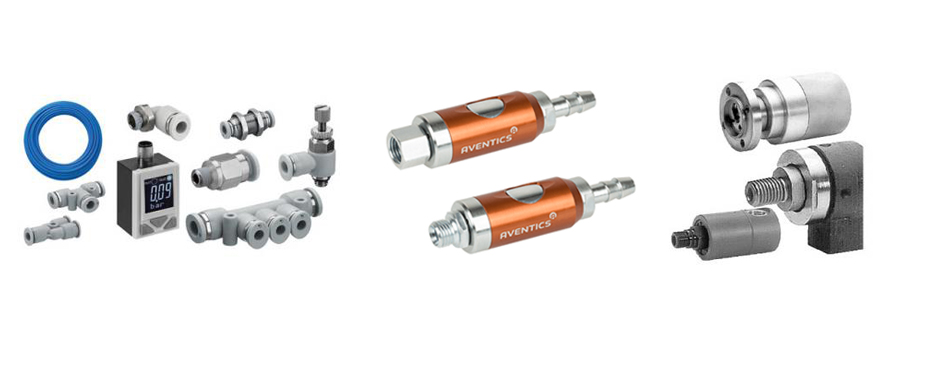
Continuous operations depend on equipment that performs consistently under demanding conditions. Durable pneumatic components play a vital role in supporting stable production processes, helping systems function efficiently while reducing interruptions. Their dependable performance contributes to smoother workflows, enhanced productivity, and improved operational confidence across a wide range of industrial applications.

Importance of Durable Pneumatic Components

High-quality pneumatic components are designed to withstand continuous use while maintaining reliable functionality. Their durability supports long-term performance and helps organizations achieve greater operational stability.

pneumatic component

Key Benefits Include

  • Consistent equipment performance
  • Reduced operational interruptions
  • Improved system reliability
  • Enhanced production efficiency
  • Longer component service life
  • Better process continuity
  • Stable airflow management
  • Increased workplace productivity

Supporting Reliable System Performance

Durable pneumatic components help maintain steady operation by ensuring precise control of air-powered systems. Their dependable construction allows equipment to function smoothly even during extended operating periods.

Performance Advantages

  • Accurate movement control
  • Reliable pressure regulation
  • Efficient energy utilization
  • Smooth actuator operation
  • Consistent process execution
  • Improved equipment responsiveness
  • Reduced performance fluctuations
  • Enhanced operational dependability

Organizations often focus on durable solutions because they support continuous productivity while minimizing unnecessary disruptions.

Enhancing Operational Efficiency

Efficient operations require components that can perform consistently without frequent adjustments. Durable pneumatic products contribute to streamlined processes and help maintain optimal system performance.

Efficiency Improvements

  • Faster production cycles
  • Reduced maintenance requirements
  • Improved equipment availability
  • Better workflow coordination
  • Enhanced process consistency
  • Reliable automation support
  • Greater operational flexibility
  • Improved resource utilization

Many industrial facilities seek dependable component solutions, and information available through https://www.hebaiele.com/fr/ highlights the importance of selecting components designed for long-lasting performance and operational efficiency.

Contributing to Equipment Longevity

Durable pneumatic components support the overall lifespan of machinery by providing stable and reliable operation. Their robust design helps systems perform effectively over extended periods.

Longevity Benefits

  • Reduced component wear
  • Consistent system functionality
  • Improved equipment protection
  • Stable operating conditions
  • Enhanced mechanical reliability
  • Lower replacement frequency
  • Better long-term performance
  • Increased operational confidence

Reliable components create a strong foundation for maintaining productive and efficient industrial environments.

Conclusion

Durable pneumatic components are essential for maintaining smooth and continuous operations. Their ability to provide reliable performance, support efficient workflows, and enhance equipment longevity makes them valuable assets in modern industrial systems. By incorporating dependable pneumatic solutions, organizations can improve productivity, strengthen operational stability, and achieve consistent performance while supporting long-term success. The combination of durability, efficiency, and reliability ensures that pneumatic systems continue to contribute positively to uninterrupted operations and sustainable growth.

Precise Installation Methods for LED-Profile Aluminum Baseboards

Aluminum Alloy Baseboard You’ve picked the sleekest LED Aluminum Alloy Baseboard on the market. It’s modern, it’s durable, and it promises that perfect strip of light along your floor. But here’s the hard truth: even the best profile turns into a disaster if the installation is sloppy. Crooked lines, uneven light diffusion, or gaps that collect dust—these aren’t design flaws. They’re installation failures. So let’s cut the fluff and talk about how to lock in that flawless finish without the headache.

First, forget the “eyeball it” approach. Precision starts with measurement, but not just any measurement. You need to account for the thermal expansion of aluminum. Yes, aluminum moves. If you cut your profile to the exact millimeter of the wall length, you’re asking for buckling when the lights heat up. Leave a 2-millimeter gap at each end. That tiny buffer is what separates a professional job from a weekend hack.

Next, the cutting method. A miter saw with a fine-tooth blade is non-negotiable. Standard saws chew up the edges, leaving burrs that ruin the light seal. After the cut, deburr immediately. A quick pass with a file or sanding block ensures the LED strip sits flush inside the channel. If the strip puckers or lifts, you’ll see it in the final glow—uneven brightness that screams “DIY.”

Now, the adhesive debate. Most people slap on double-sided tape and hope for the best. Hope is not a strategy. For aluminum baseboards, use a high-bond construction adhesive specifically rated for metal and drywall. Apply it in a zigzag pattern along the back of the profile, not just a straight line. This prevents air pockets and gives you a few seconds of adjustability before the grab sets. Press firmly, then use painter’s tape to hold it in place for 24 hours. Yes, 24 hours. Patience here pays off in zero gaps.

The LED strip itself? Don’t just peel and stick. Clean the inside of the aluminum channel with isopropyl alcohol first. Oils from your fingers or dust from the cut will weaken the adhesive backing. And if you’re using a diffuser cover, snap it on before mounting the profile. Trying to snap it on afterward risks bending the aluminum or scratching the finish.

Corner joints are where most installations fall apart. Don’t rely on standard 45-degree cuts unless your walls are perfectly square. They never are. Use an adjustable angle finder to measure the actual corner angle, then cut your profile to match. For external corners, consider using pre-made corner connectors. They cost a little more, but they eliminate the guesswork and deliver a seamless light path.

Finally, the wiring. Hide it. Run the wires through a small notch cut into the back of the profile, or use a low-profile wire channel that sits flush against the baseboard. Visible wires ruin the entire minimalist aesthetic you’re chasing.

Here’s the bottom line: precise installation isn’t about being obsessive. It’s about respecting the material. Aluminum baseboards are a premium product. Treat them like one. Measure twice, cut with care, bond with patience, and you won’t just install a baseboard—you’ll install a statement.

Yacht Rental Solutions for Memorable Weekend Trips

Weekend travel becomes far more exciting when the journey includes calm waters, open skies, and stylish comfort. Yacht rental solutions create a relaxing atmosphere for travelers who want a short yet luxurious escape. Whether planning a peaceful retreat with loved ones or a lively gathering with friends, a yacht experience adds charm, elegance, and unforgettable moments to every weekend adventure.

Why Yacht Rentals Are Ideal for Short Getaways

A yacht trip offers a perfect balance of relaxation and entertainment. Travelers can enjoy private surroundings, beautiful views, and premium comfort while spending quality time away from crowded vacation spots.

Key Benefits of Weekend Yacht Trips

  • Comfortable spaces for rest and social gatherings
  • Scenic sunrise and sunset views over the water
  • Private settings for peaceful relaxation
  • Stylish dining and lounge areas
  • Exciting water activities for all age groups
  • Flexible travel plans for short vacations
  • Refreshing atmosphere away from busy routines

These features make yacht rentals a popular choice for people looking to enjoy a memorable weekend without extensive travel arrangements.

Comfortable Features That Improve the Experience

Premium Yacht

Modern yacht rental solutions focus on convenience and luxury. Many options include elegant interiors, spacious seating, cozy sleeping areas, and entertainment spaces designed for relaxation.

Popular Comfort Features

  • Airy cabins with modern décor
  • Soft lounge seating for conversations and leisure
  • Outdoor decks for sunbathing and photography
  • Dining spaces for enjoyable meals
  • Music and entertainment systems
  • Relaxing shaded areas for daytime comfort
  • Clean and stylish washroom facilities

These thoughtful details help guests enjoy a smooth and pleasant trip from beginning to end.

Great Activities for Weekend Fun

A yacht journey offers more than rent yacht simple sightseeing. Travelers can enjoy engaging activities while spending time on the water with family, friends, or partners.

Enjoyable Weekend Activities

  • Watching colorful sunsets from the deck
  • Sharing meals in a peaceful environment
  • Taking memorable group photographs
  • Relaxing with music and refreshing drinks
  • Swimming and enjoying water adventures
  • Celebrating birthdays or special occasions
  • Reading or resting while surrounded by calm scenery

Every activity becomes more enjoyable in the elegant setting of a yacht trip.

Tips for Planning the Perfect Yacht Weekend

Careful planning can make the overall experience smoother and more enjoyable. Simple preparation allows travelers to focus fully on relaxation and entertainment.

Helpful Planning Suggestions

  • Select a yacht size suitable for the group
  • Pack light and comfortable clothing
  • Bring sunglasses and sun protection items
  • Choose relaxing music playlists for the trip
  • Plan meals and refreshments in advance
  • Carry cameras for scenic photographs
  • Confirm activity options before departure

These easy steps can help create a stress-free and enjoyable weekend adventure.

A Relaxing Escape Filled With Lasting Memories

Yacht rental solutions provide an enjoyable way to spend weekends with comfort, style, and entertainment. The peaceful atmosphere, luxurious surroundings, and exciting activities create moments that guests often remember for years. From quiet relaxation to joyful celebrations, every part of the journey feels refreshing and special. For travelers seeking a unique and elegant weekend experience, yacht rentals offer the perfect opportunity to enjoy calm waters, beautiful scenery, and meaningful time with loved ones in a truly unforgettable setting.

Modern ไม้กั้นรถยนต์ Provides Smooth Traffic Flow Control

Modern car parking barriers play a major role in improving vehicle movement, access management, and overall traffic organization. These intelligent systems are designed to support efficient entry and exit operations while maintaining a secure and controlled parking environment. Their advanced functionality helps reduce congestion, improve convenience, and create a smoother experience for drivers and facility operators.

Efficient Vehicle Entry and Exit Management

Modern parking barriers are designed to control traffic movement with speed and accuracy. Their automated operation helps vehicles pass through checkpoints without unnecessary delays.

Key Features Supporting Smooth Traffic Flow

  • Fast opening and closing mechanisms
  • Accurate vehicle detection systems
  • Controlled access for authorized vehicles
  • Continuous operation during peak traffic periods
  • Reduced waiting times at entry and exit points

Efficient traffic handling helps maintain better vehicle movement while reducing confusion and crowding in parking areas.

Smart Automation Enhances Convenience

Advanced automation technology improves the performance of parking barriers by reducing manual intervention and supporting seamless operations. Automated entry systems use ไม้กระดก HIP to manage vehicle access efficiently and enhance security in restricted zones.

Automation Benefits

  • Automatic barrier operation for quicker access
  • Reliable response to vehicle movement
  • Simplified traffic control procedures
  • Consistent operation throughout the day
  • Improved coordination between entry and exit lanes

Automation allows parking systems to function smoothly while improving the overall user experience.

Improved Safety and Traffic Organization

Modern parking barriers contribute significantly to maintaining safety within vehicle access areas. Their intelligent controls systems help organize traffic flow while preventing unauthorized vehicle movement.

Safety Advantages

  • Controlled vehicle access management
  • Reduced risk of unauthorized entry
  • Clear lane guidance for drivers
  • Smooth vehicle sequencing at checkpoints
  • Enhanced pedestrian and vehicle coordination

Well-organized parking operations create safer and more efficient environments for both drivers and visitors.

Durable Design for Continuous Performance

Parking barriers are built to handle regular use while maintaining stable and reliable operation. Their strong construction supports long-term performance in demanding conditions.

Long-Term Performance Features

  • Durable structural components
  • Stable operation during frequent usage
  • Resistance to environmental exposure
  • Minimal maintenance requirements
  • Consistent barrier movement accuracy

Reliable durability helps reduce operational interruptions and supports continuous traffic management.

User-Friendly Operation and Easy Integration

Modern parking barrier systems are designed with convenience and simplicity in mind. Their practical design allows smooth operation for both users and management teams.

User Convenience Features

  • Easy-to-understand operation systems
  • Quick response during vehicle access
  • Smooth integration with traffic control setups
  • Compact and efficient barrier structure
  • Comfortable experience for drivers

Simple functionality improves operational efficiency while reducing complications during vehicle movement.

Energy-Efficient and Cost-Effective Performance

Modern parking barriers are designed to support efficient energy usage while maintaining strong operational capability.

Operational Benefits

  • Energy-saving performance features
  • Reduced operational strain
  • Efficient movement control systems
  • Reliable performance with low power usage
  • Long service life for better value

Efficient energy management supports sustainable and dependable parking operations.

Supports Better Traffic Management

Effective parking barriers help maintains organized traffic conditions by guiding vehicles smoothly through controlled access points.

Traffic Control Advantages

  • Improved vehicle flow coordination
  • Reduced congestion during busy periods
  • Faster vehicle processing
  • Better organization of parking areas
  • Consistent traffic movement management

These advantages contribute to a more structured and efficient parking experience.

Conclusion

Modern car parking barriers provide reliable traffic flow control through advanced automation, durable performance, and intelligent vehicle management features. Their ability to improve safety, reduce congestion, and support smooth access operations makes them an essential solution for organized parking environments. With dependable functionality and user-friendly operation, these systems continue to enhance traffic efficiency and overall parking management performance.

Premium 1000‑Piece Puzzles Are Having a Moment (and It’s Not an Accident)

Adult puzzling didn’t just “come back.” It leveled up.

What I’m seeing on shelves and in collector groups is a very specific surge: people aren’t merely buying 1000‑piece puzzles, they’re hunting for premium ones, thick board, clean cuts, art that doesn’t look like stock photography, boxes you don’t mind keeping. And when supply is limited or the run is serialized, the buyer mindset shifts fast from “nighttime hobby” to “I want that edition before it’s gone.”

One-line truth: Premium puzzles are becoming small-batch design objects.

 Hot take: “Premium” isn’t a vibe. It’s manufacturing discipline.

If a brand claims premium and the pieces shed dust like a sandbag, I’m out.

premium 1000 piece puzzles for adults earn the label in boring places: tolerances, coatings, board stability, print registration. The fun part (art, theme, packaging) only works if the underlying production is ruthless about consistency.

Here’s what actually separates the good stuff from the pretty-but-annoying stuff:

– Piece feel and rigidity: thicker chipboard, less flex, fewer “mushy” joins

– Interlock accuracy: the fit should be confident without forcing

– Edge quality: minimal fuzz, no tearing, no bent corners straight out of the bag

– Finish: matte/anti-glare that doesn’t wash out blacks under lamplight

– Print alignment: image and cut lines should agree with each other (sounds obvious; it isn’t)

Now, this won’t apply to everyone, but if you do puzzles often, you start noticing micro-annoyances. Misfits. False positives. That one piece that sort-of fits everywhere. Premium lines spend money to make those problems rare.

journeyofsomething

 Who’s buying these, exactly?

Not teenagers killing time. Not parents grabbing a rainy-day activity.

The core premium buyer cluster skews adult, roughly 30 to 65, with a big bump among remote workers, caregivers, and hobbyists who want a “screen-off” ritual that still feels mentally engaging. In my experience, premium puzzle buyers are also the most brand-loyal if you don’t disappoint them. One bad batch and you’ll hear about it in reviews (and in Facebook groups).

Income matters, too. Premium puzzles are discretionary purchases, and the audience behaves like it. They’ll pay more if they trust the fit, the art is distinctive, and the box doesn’t look like it came from a bargain bin.

Collectors are their own species. They track editions, compare print runs, and care about provenance the way sneakerheads care about drops.


 Motivation: it’s not just “relaxation”

Look, people do puzzles to unwind, sure. But premium buyers are often chasing a specific experience:

Tactile certainty.

A good puzzle feels predictable. Pieces glide, click, and sit flat. That’s not romance, that’s engineering.

Curated aesthetics.

A lot of premium puzzles behave like art prints you happen to assemble. The image is the product, not a disposable means to an end.

Rarity and narrative.

Limited editions, serialized numbering, artist collabs, certificate cards… it all works because it gives the purchase a story (and a reason to keep it).

Replayability + resale confidence.

Some buyers absolutely resell or trade. Condition and edition details start to matter.

A stat that frames the bigger context: during the pandemic puzzle boom, U.S. puzzle sales spiked dramatically; the Toy Association reported strong growth in games and puzzles in 2020 as consumers stocked up on at-home activities (The Toy Association, 2020). The market cooled afterward, but the upgraded expectations didn’t disappear. People learned what “nice” feels like.


 Materials & cutting: the nerdy stuff that makes or breaks a premium puzzle

If you want the specialist briefing, it’s this: premium puzzle quality is mostly a battle against warping, dust, and tolerance drift.


 Board and print: where “premium” should start

Better puzzles typically use thicker, denser board with stronger surface lamination. Acid-free or archival-leaning materials reduce yellowing over time, and higher-quality coatings resist that grimy shine you get after multiple assemblies.

Eco-friendly materials are rising, too, but it’s a tightrope. Recycled fibers can behave differently under humidity. Great manufacturers compensate with better process control. Lazy ones just slap “sustainable” on the box and ship warped sheets.


 Die-cut tolerances (yes, you can feel them)

This is the quiet heart of the premium segment.

Tight tolerances mean:

– fewer false fits

– cleaner edges

– more consistent interlock force

– less “puzzle dust” from tearing and abrasion

Blade wear and alignment drift are real. Shops that monitor these variables and retire tooling aggressively tend to earn that fanbase that buys every new release on sight.


 QA: not glamorous, very profitable

Good QC isn’t only about catching defects; it’s about preventing them through repeatable settings: pressure, humidity control, adhesion consistency, inspection sampling, batch labeling. When brands can trace lot performance, they can fix problems without guessing (and without torching customer trust).


 Design trends: the art got smarter, and more solvable

Are puzzles getting prettier or are we just pickier? Both.

Premium brands are leaning into artwork that looks good on a wall but still solves cleanly. That means better composition decisions: readable focal points, intentional color harmony, negative space that’s challenging but not cruel, and linework that doesn’t turn into 1000 pieces of identical misery.

I’ve also seen a clear move toward:

– contemporary illustration licenses (not just “famous painting” reruns)

– curated photography that avoids muddy gradients

– palette choices that reduce eye fatigue during long sessions

– distinct “brand look” across releases, like a publishing imprint

It’s subtle, but it’s driving repeat purchases. People want variety, but they also want to recognize a house style.


 Packaging: the box is part of the product now

Some buyers keep premium boxes like they’re book spines.

And honestly? That’s rational. Premium packaging protects the puzzle, signals quality, and turns a one-time purchase into an object you don’t feel silly displaying.

What’s working right now:

Reinforced corners. Soft-touch finishes. Crisp typography. Resealable or lift-off lids that don’t fray after three openings. Minimal glare coatings. Smart internal organization.

Limited editions take packaging further: serialized labels, foil accents, inserts that function like certificates. It’s collectible logic applied to cardboard, and it’s surprisingly effective.

Sustainability is part of this conversation too. Recycled board, soy-based inks, reduced plastic, buyers like it when it’s done without downgrading the experience (that “without” is doing a lot of work).


 Pricing, value, and the uncomfortable truth about “premium”

Premium pricing holds when three things stay consistent: quality, originality, and trust.

If a brand trains customers to wait for discounts, the premium spell breaks. I’ve seen it happen. Promotions can move volume, but overuse makes the product feel like it was overpriced to begin with.

Buyers justify higher price points when they get:

– exclusive or licensed art that’s genuinely curated

– repeatable manufacturing quality across batches

– packaging that protects and feels “kept”

– scarcity cues that aren’t gimmicky

The resale angle is real for a subset of the market. Condition and completeness matter. So does edition info. A box that stores well isn’t fluff; it’s value preservation.


 The collector shelf thing isn’t silly, it’s strategy

I’m pro “puzzle shelf.” Not because it looks cute on Instagram (though it can), but because it changes behavior.

When people catalog what they own, rotate builds, keep condition notes, and store boxes properly, they buy differently. They start caring about provenance, editions, artist series continuity. That’s how a hobby becomes a collector ecosystem.

Practical setup I’ve seen work:

Viewing zone for current builds and favorites. Rotation stack for “next up.” A protected area for limited editions or anything you might trade later. Climate matters more than people think; humidity will humble you.


 How to spot quality before you buy (without opening the box)

You can’t fully verify a puzzle in shrink wrap, but you can stack the odds in your favor.

Check for:

Brand reputation and consistent reviews (watch for complaints about false fits and dust). Clear batch labeling. Close-up photos of piece texture. A box that doesn’t look flimsy. Stated materials and print method details, if provided. Return policy clarity, because premium brands should stand behind their tolerances.

Here’s the thing: premium is a promise. When a company makes that promise vague, it’s usually because they don’t want to be pinned down.


 Where this goes next

Demand is tightening around the upper tier. People who got hooked on nice puzzles don’t love going back. Expect more small-run releases, more artist collaborations, more “object” thinking, plus higher expectations around sustainability that doesn’t compromise build quality.

And if you’re entering the space (as a brand, a retailer, a designer), don’t lead with piece count. Lead with craft, finish, and community. Those are the levers that actually move premium buyers.